
Join the Waitlist
Ship faster. Measure better.
See exactly how work flows through your team. Track delivery speed, spot bottlenecks, and ship faster with real data from your GitHub or GitLab repos.
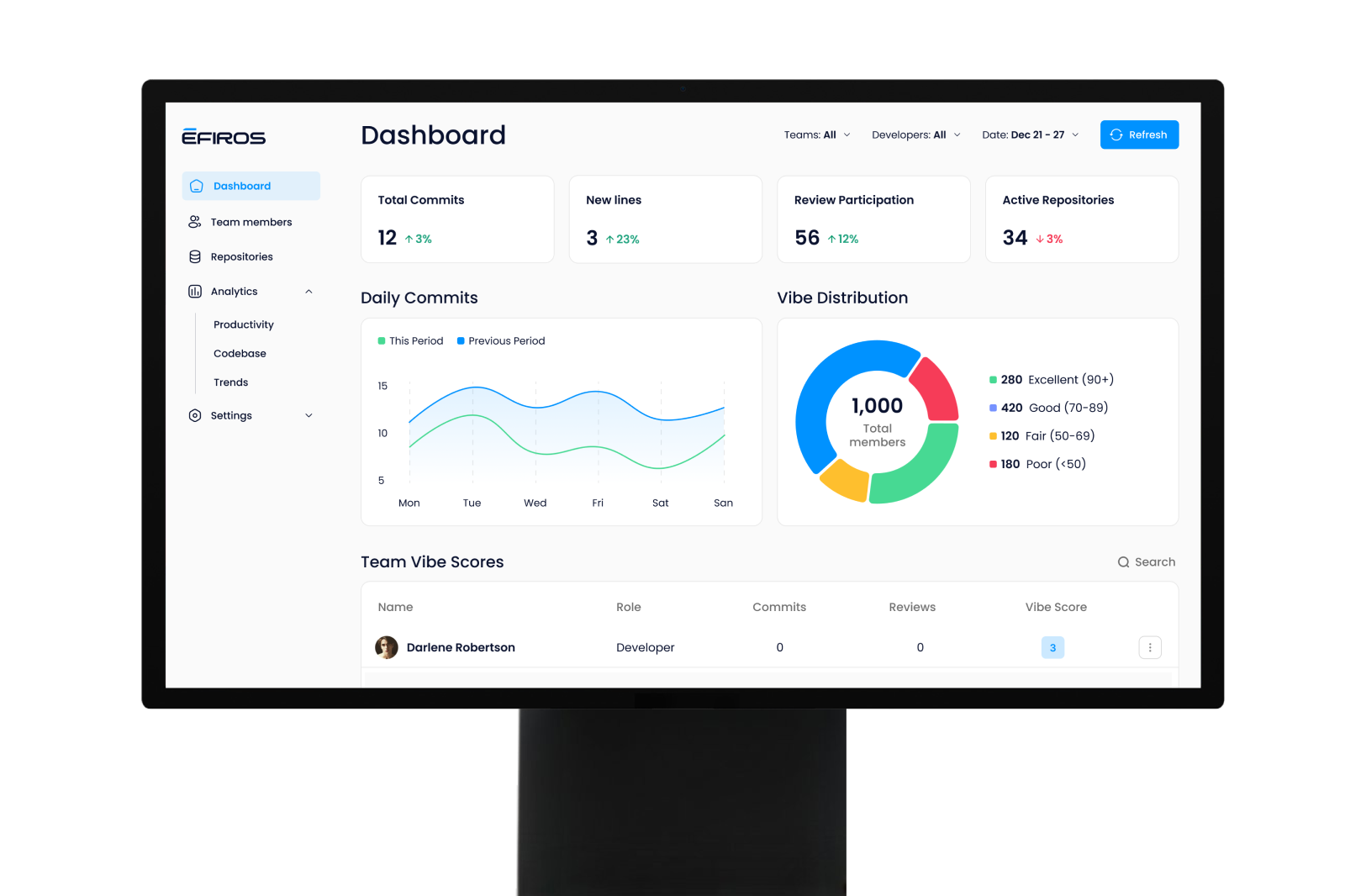
Setup in minutes, not weeks
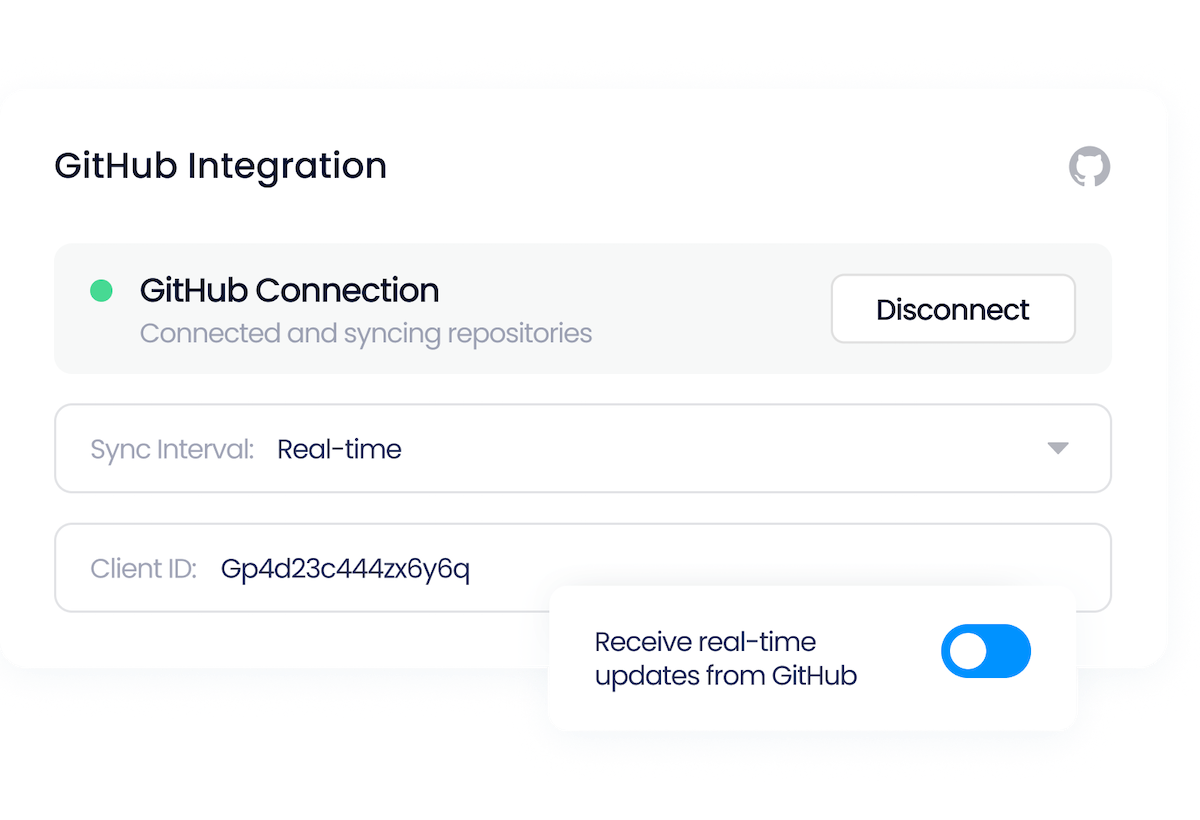
Connect GitHub or GitLab and start tracking immediately. No agents to install. No workflow changes. No DevOps required.
See what's slowing you down
See how PRs move through your team. Track review times per person. Identify bottlenecks before they become problems.
Catch issues while they're still fixable
Get alerts when PRs sit unreviewed, one person becomes a bottleneck, or cycle time increases week-over-week.
Team metrics, not surveillance
Track team-level delivery patterns and health trends across work cycles. No individual ratings. No micromanagement.
From problem to solution
Problem
You can't improve what you don't measure
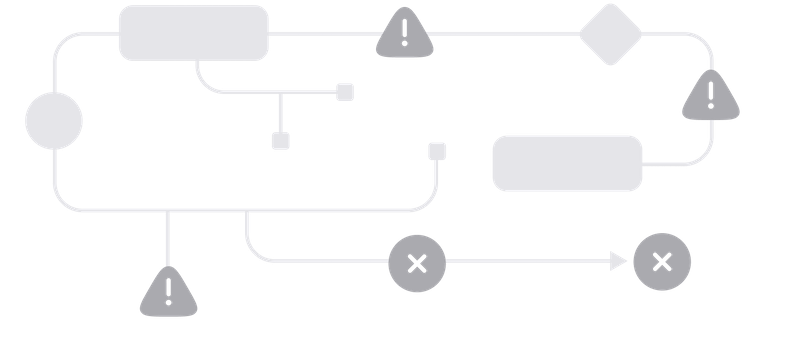

PRs sit for days. You don't know who's reviewing what or how long things actually take.
You only notice slowdowns after they've already delayed your release by two weeks.
One person reviews 80% of PRs. Everything waits on them. Nobody noticed until burnout hit.
Leadership asks "how fast are we shipping?" You answer with gut feeling instead of data.
Solution
Turn invisible work into actionable data
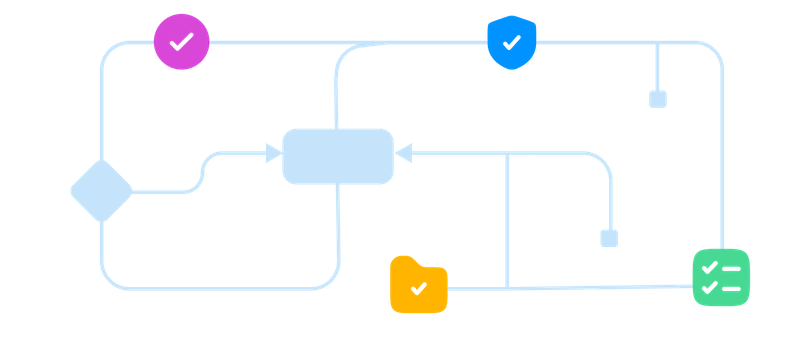
Track cycle time, review speed, and deployment frequency automatically from your Git history.
See when cycle time spikes 50%, PRs age past your target, or review load becomes imbalanced.
Give everyone on the team objective metrics about what's working and what needs attention.
Establish your baseline. Set improvement goals. Track progress week over week with real numbers.
Features
Delivery Velocity Metrics
Track deploy frequency, cycle time, and throughput. See how fast work moves from first commit to production deployment.
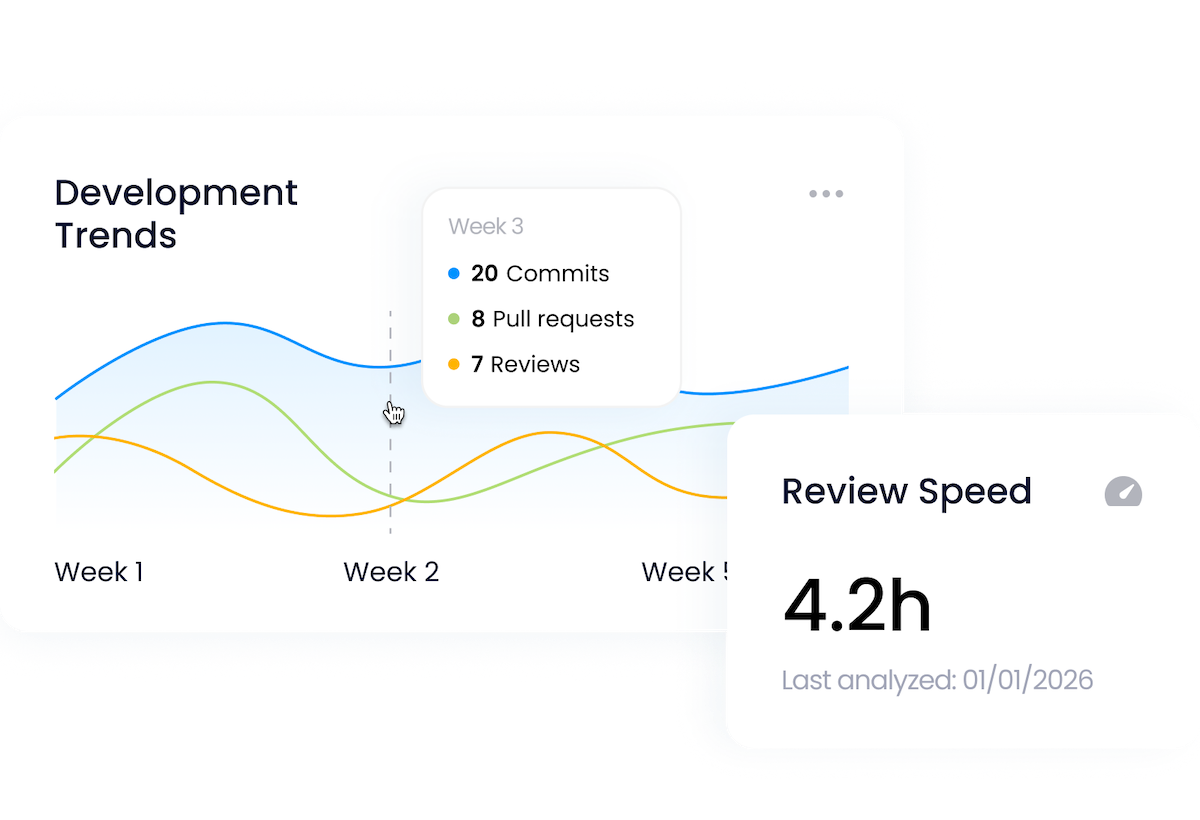
Code Review Analytics
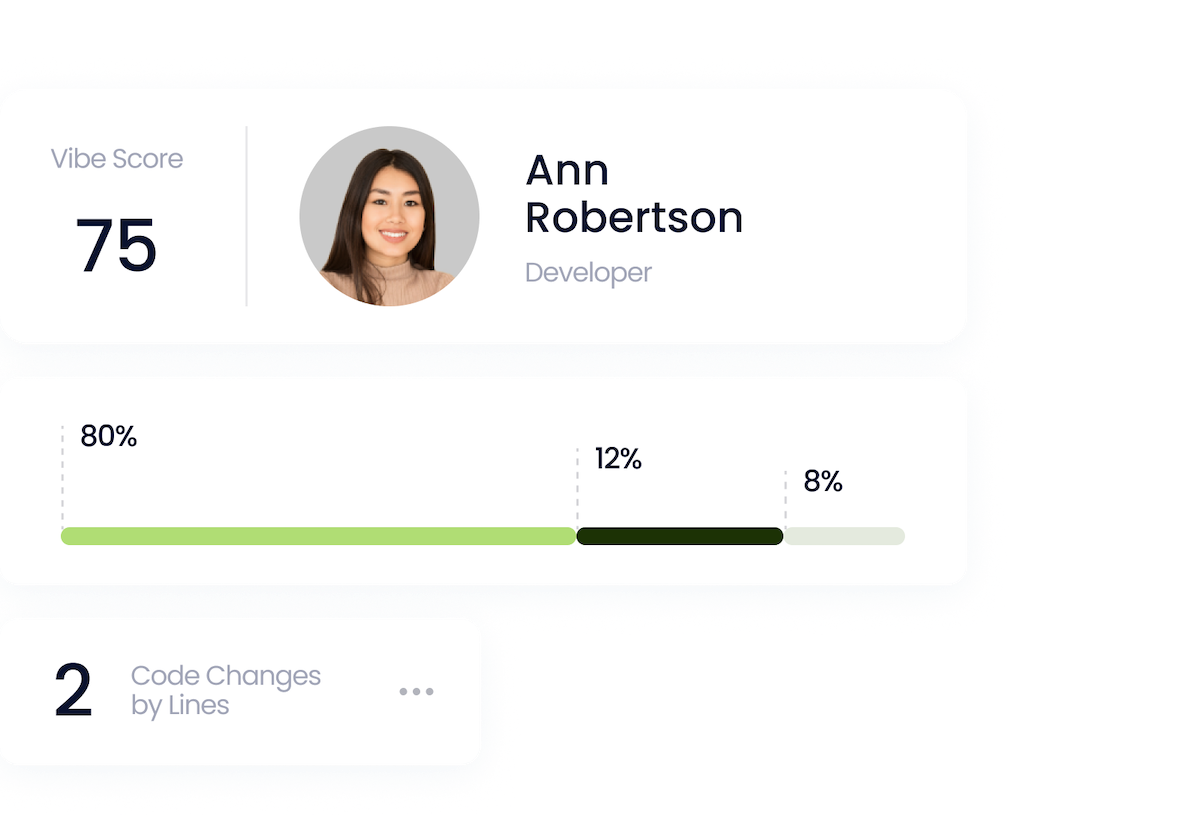
See who reviews what, how long reviews take, and where PRs get stuck. Balance review load across your entire team.
Workload Balance Tracking
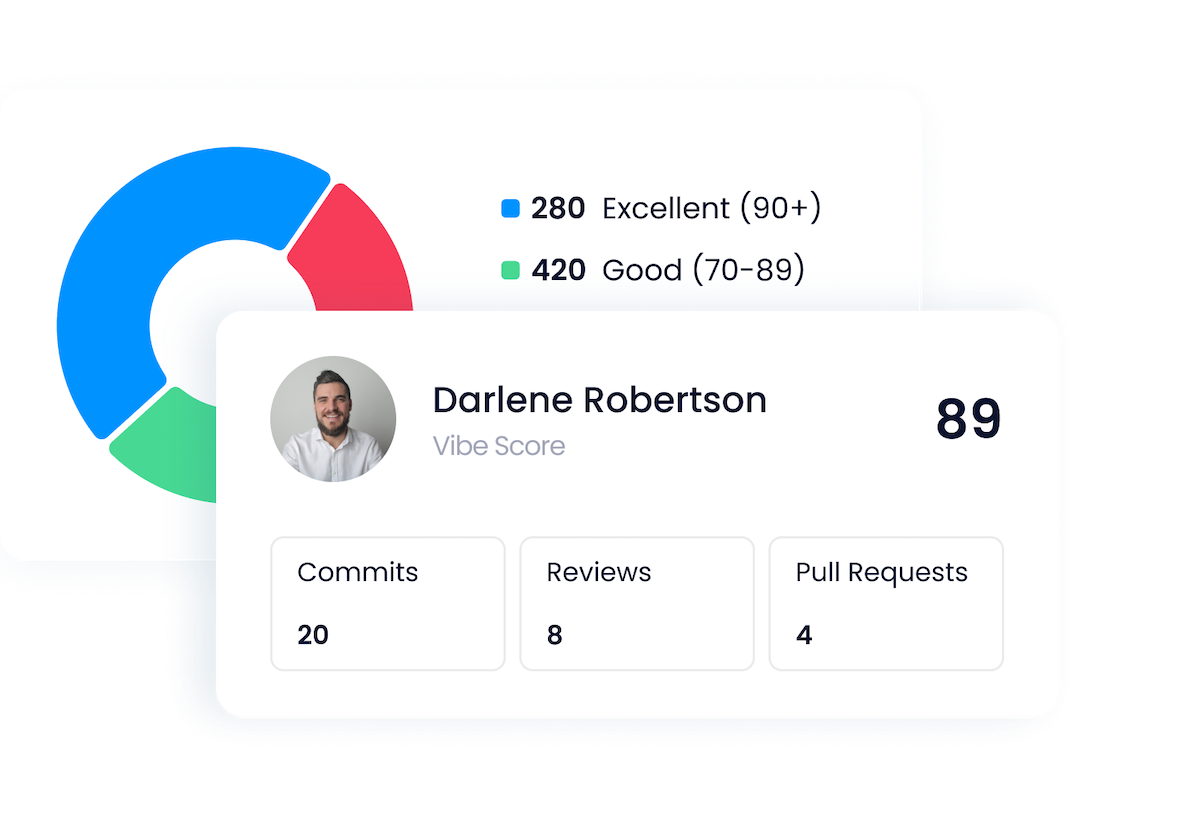
Monitor PRs opened vs reviewed per developer. Track active work in progress. Spot overload before it leads to burnout.
Trends & Historical Analysis
Track week-over-week changes in all key metrics. Spot degradation early. Measure the impact of process improvements over time.
Read more

What our users say

"We had dashboards and reports, but conversations about work were still based on opinion rather than shared understanding. Efiros helped us see where interaction patterns and coordination friction were actually occurring — not just that metrics changed, but why work felt stuck. That gave us a common language to address issues without finger-pointing and improve how teams collaborate over time."

"We used plenty of metrics, but none explained what was happening between teams and roles. Efiros revealed interaction patterns that explained where work piled up — in reviews, handoffs, or coordination — and helped us turn that into actionable insights. The shared clarity it created across engineering and leadership was a game changer for our planning conversations."

"What stood out was how Efiros transformed raw activity into meaningful signals about how teams actually interact. We could confidently share these interaction pattern insights with product, leadership, and risk stakeholders — without any suggestion of judging individual performance. This made cross-functional alignment feel grounded and constructive."
faQ
What data does Efiros analyze?
Efiros analyzes engineering workflow data — like commits, pull requests, and reviews — to understand interaction patterns and coordination behavior over time.
Does this measure individual performance?
No. Efiros focuses on team-level work patterns and coordination issues, not individual performance scoring or productivity ranking.
How long does setup take?
Setup is lightweight and non-intrusive. Efiros connects to your existing tools with read-only access, with no changes to how teams work, and typically shows initial interaction signals quickly after connection.
Is Efiros suitable for regulated environments?
Yes. Efiros is designed for privacy- and compliance-conscious engineering organizations. Data processing follows industry-standard security practices and respects governance and regulatory requirements.

